The Rich and Lively Culture of Spain
- Aanya Khullar
- Oct 4, 2025
- 3 min read
When people think about Spain, they usually imagine flamenco dancers in red dresses,
plates of paella, or maybe even bullfighting. But Spanish culture is much more than just
stereotypes. It is a mix of history, tradition, art, and everyday life that has been shaped over
thousands of years. From the food people eat to the festivals they celebrate, Spain’s culture
is colourful, passionate, and deeply tied to family and community.
One of the most important parts of Spanish culture is food. Meals in Spain are not just about
eating; they are about spending time together. Families and friends gather for long lunches
and dinners, and it’s common to sit at the table long after the food is gone. This tradition is
called sobremesa, which means “over the table.” Instead of rushing through meals,
Spaniards talk, laugh, and share stories.
Another unique part of Spanish dining is tapas.

Tapas are small plates of food, like olives, cheese, or tiny portions of seafood, that people
share. They are meant to be eaten slowly while enjoying conversation. Spain also has
regional foods that show the country’s variety, such as paella from Valencia, churros with hot
chocolate in Madrid, or fresh seafood along the coast.
Spanish culture is also famous for its celebrations and festivals. Each region has its own
traditions, but one of the most famous events is Semana Santa, or Holy Week, which takes
place before Easter. During this time, cities like Seville and Málaga hold large processions
with religious statues, music, and crowds of people. On the other hand, there are also playful
and wild festivals like La Tomatina, where thousands of people gather in the town of Buñol to
throw tomatoes at each other. These celebrations show both the religious devotion and the
fun-loving side of Spanish culture.
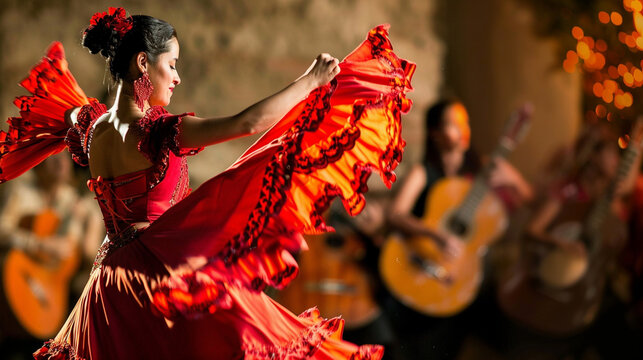
Music and dance are another big part of Spain’s identity. Flamenco, which began in the
southern region of Andalusia, is one of the most well-known forms of Spanish art. It
combines singing, guitar playing, clapping, and dancing. Flamenco is powerful and
emotional, often telling stories of love, sadness, or joy.
Beyond flamenco, Spain also has modern music scenes, but traditional music is still respected and celebrated.
Art and architecture in Spain also stand out. The country has given the world famous
painters like Pablo Picasso, Salvador Dalí, and Francisco Goya. Their work has influenced
art across the globe. Spanish architecture is just as impressive, with examples like Antoni
Gaudí’s Sagrada Familia in Barcelona, a breathtaking church that has been under
construction for over 100 years. Spain’s history with the Romans, Moors, and Christians also
left behind castles, palaces, and mosques that are still admired today.
Another key part of Spanish culture is its strong regional identities. Spain is one country, but
it is made up of many regions that have their own languages, traditions, and pride. For
example, in Catalonia, people often speak Catalan instead of Spanish, and in the Basque
Country, they speak Basque. These regions celebrate their own customs while still being
part of Spain. This diversity makes Spanish culture even richer and more interesting.
Finally, Spanish people value community and family. Family gatherings are frequent and
important, and older generations often live close to younger ones.
Life in Spain tends to be more relaxed compared to other countries. The daily schedule is different too-many shops close in the afternoon for siesta, a short rest time, and dinner is often eaten very late at night. These traditions may seem unusual to outsiders, but they reflect Spain’s slower, more social way of living.
In the end, Spanish culture is a unique blend of the old and the new, the serious and the
playful. It combines traditions that go back hundreds of years with modern ideas and
creativity. Whether through food, festivals, art, or family life, Spain shows how culture is not
just about history-it’s about how people live every day. Spanish culture teaches us that life
can be enjoyed slowly, passionately, and always in the company of others.

Comments